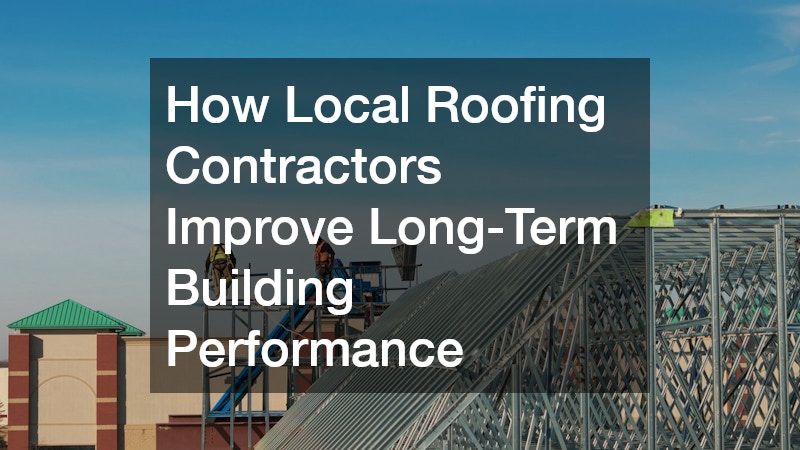

A building’s roof is one of its most critical components, yet it’s often overlooked until problems arise. Over time, even minor issues can escalate into major structural concerns, impacting everything from energy efficiency to occupant safety. The key to avoiding these problems lies in proactive planning, consistent maintenance, and working with experienced professionals who understand the unique needs of your property.
In this guide, we’ll explore how strategic roofing decisions can dramatically improve long-term building performance. From inspections and maintenance to materials and partnerships, you’ll learn practical, actionable ways to extend the life of your roof and protect your investment.
Conducting Thorough Roof Assessments Before Problems Escalate
Routine roof assessments are one of the most effective ways to maintain building performance over time. Many property owners underestimate how quickly small issues can evolve into major structural problems if left unchecked. Regular inspections provide a clear picture of your roof’s condition and allow you to act before damage spreads. Working with local roofing contractors ensures that inspections are tailored to regional weather patterns and building requirements. These professionals are trained to identify subtle warning signs that may not be obvious to the untrained eye. Their expertise helps property owners stay ahead of costly damage and avoid unexpected disruptions. Ultimately, consistent evaluations create a proactive maintenance strategy rather than a reactive one.
What a thorough inspection should include:
- Checking for cracks, punctures, or membrane damage
- Inspecting flashing around vents, skylights, and edges
- Evaluating drainage systems for clogs or improper flow
- Identifying early signs of leaks or moisture intrusion
- Assessing structural integrity and load-bearing areas
Why early detection matters:
- Prevents costly roof repairs
- Extends the lifespan of existing materials
- Reduces the risk of interior damage
- Helps maintain consistent building performance
Actionable tip:
Schedule inspections at least twice a year, once in the spring and once in the fall, and always after major storms. Keeping a documented inspection history also helps track changes over time. This record becomes valuable when planning future maintenance or budgeting for upgrades. Staying consistent with inspections ensures small problems never have the opportunity to grow into major expenses.
Creating Preventative Maintenance Plans That Actually Work
Preventative maintenance is essential for protecting your roof and ensuring long-term building performance. Without a structured plan, most property owners end up reacting to issues only after they become serious. A well-designed maintenance strategy focuses on consistency, allowing small concerns to be addressed before they escalate. Partnering with a reliable roofing company helps ensure that maintenance tasks are performed on schedule and with attention to detail. Many providers of commercial roof repair services offer tailored programs that align with the specific needs of your building. These plans take into account factors like roof age, material type, and environmental exposure. Over time, this proactive approach reduces stress, lowers costs, and improves overall reliability.
Key components of a strong maintenance plan:
- Scheduled inspections and condition reports
- Routine cleaning of drains and gutters
- Minor repairs to address early damage
- Sealant and coating reapplications as needed
- Documentation for warranty and insurance purposes
Benefits of preventative maintenance:
- Lower long-term repair costs
- Improved energy efficiency
- Reduced risk of business disruptions
- Extended roof lifespan
Actionable tip:
Ask providers about customizable maintenance plans that align with your building’s specific needs. A tailored approach will always outperform a one-size-fits-all solution. Be sure to review the scope of services included and confirm how often maintenance visits will occur. Consistency is the key to making any maintenance plan truly effective.
Improving Drainage Systems to Prevent Water Damage
Water accumulation is one of the most damaging forces a roof can face over time. Poor drainage can lead to standing water, which accelerates wear and increases the likelihood of leaks. Many property owners don’t realize that even small drainage issues can compromise structural integrity if ignored. Experienced commercial roofers understand how to identify and correct these inefficiencies before they cause serious damage. A professional commercial roof repair company can assess whether your current drainage system is functioning properly. They can also recommend improvements that enhance water flow and prevent pooling. Addressing drainage early is one of the smartest ways to extend roof life and maintain performance.
Common drainage issues:
- Blocked gutters and downspouts
- Improper roof slope
- Damaged or undersized drains
- Accumulated debris
How to improve drainage performance:
- Install additional drains in problem areas
- Ensure proper slope during installation or repairs
- Regularly clean gutters and remove debris
- Inspect drainage after heavy rainfall
Actionable tip:
Schedule routine drainage inspections, especially during seasons with heavy rainfall. Even minor blockages can lead to significant water buildup if not addressed quickly. Keeping drainage systems clean and functional protects both the roof and the interior of the building. Small preventative efforts here can save substantial repair costs later.

Selecting Durable Materials That Extend Roof Lifespan
Choosing the right roofing materials is one of the most important decisions for long-term performance. Not all materials are created equal, and selecting the wrong option can lead to frequent repairs and a shorter lifespan. Many modern solutions are designed to withstand harsh conditions while requiring less maintenance. Composite roofing has become increasingly popular due to its durability and resistance to environmental stress. A trusted commercial roofing company can help evaluate which materials are best suited for your building’s specific needs. Factors such as climate, building design, and budget all play a role in this decision. Investing in quality materials upfront often results in significant long-term savings.
Factors to consider when choosing materials:
- Climate conditions (heat, cold, humidity, storms)
- Building design and structural load capacity
- Expected lifespan and maintenance requirements
- Energy efficiency and insulation properties
Advantages of modern materials:
- Better resistance to UV damage
- Improved waterproofing capabilities
- Reduced maintenance frequency
- Enhanced durability under extreme conditions
Actionable tip:
Take time to compare material options rather than choosing based solely on cost. The cheapest option often leads to higher expenses over time due to repairs and replacements. Consult professionals to understand how each material performs in your specific environment. Making an informed choice here sets the foundation for long-term success.
Integrating Roofing Into Broader Building Construction Planning
Roofing plays a crucial role in overall building design, yet it is often considered too late in the process. When roofing is integrated early into planning, it aligns better with structural and functional requirements. A knowledgeable roofing contractor can collaborate with architects and engineers to ensure optimal results. Including roofing in early construction services discussions helps prevent compatibility issues between systems. This approach also allows for better planning around drainage, insulation, and accessibility. Early integration reduces the risk of costly changes later in the project. It ultimately leads to a more cohesive and efficient building design.
Why early integration matters:
- Prevents compatibility issues with other building systems
- Ensures proper load distribution and structural support
- Reduces costly redesigns or retrofits
- Improves overall efficiency and performance
Key considerations during planning:
- Roof slope and drainage design
- Material compatibility with other components
- Access for maintenance and repairs
- Long-term performance expectations
Actionable tip:
Bring roofing experts into the conversation during the earliest planning stages. Their input can help identify potential challenges before construction begins. This proactive approach saves time, money, and frustration later. Strong collaboration during planning leads to better long-term building outcomes.
Addressing Small Issues Quickly to Avoid Major Failures
Minor roofing issues rarely resolve themselves and often worsen over time. What starts as a small crack or leak can quickly develop into significant structural damage if ignored. Timely attention is essential for maintaining the integrity of the entire building. Regular monitoring and quick action help prevent disruptions and costly repairs. Utilizing commercial roof repair services ensures that problems are addressed by experienced professionals. Even routine roof repairs can make a major difference when handled promptly. Staying proactive reduces risk and keeps the building operating smoothly.
Common early warning signs:
- Small leaks or water stains
- Cracked or blistering surfaces
- Loose flashing or seams
- Ponding water
Why quick action is critical:
- Prevents damage from spreading
- Reduces repair costs
- Protects interior spaces and equipment
- Maintains building safety
Actionable steps:
- Establish a clear reporting process for issues
- Schedule immediate inspections when problems arise
- Keep a list of trusted providers for fast response
Actionable tip:
Do not delay when you notice early signs of damage. Acting quickly can significantly reduce repair costs and prevent larger issues. Establishing a clear response plan ensures problems are handled efficiently. Consistency and speed are key to maintaining long-term performance.
Enhancing Energy Efficiency Through Smart Roofing Solutions
Energy efficiency is a critical factor in long-term building performance, and the roof plays a major role in regulating temperature. Poor insulation or outdated materials can lead to excessive energy consumption and higher utility costs. Modern advancements in roofing technology have made it easier to improve efficiency without major structural changes. Composite roofing systems, for example, are designed to enhance insulation and reduce heat absorption. A professional commercial roofing company can assess your current system and recommend upgrades. These improvements not only lower costs but also create a more comfortable indoor environment. Over time, energy-efficient roofing contributes to sustainability and long-term savings.
Ways roofing impacts energy efficiency:
- Reflectivity affects heat absorption
- Insulation reduces temperature fluctuations
- Ventilation prevents moisture buildup
Energy-efficient upgrades:
- Reflective coatings to reduce heat gain
- Improved insulation layers
- Ventilation systems to regulate temperature
Benefits of energy-efficient roofing:
- Lower utility bills
- Increased occupant comfort
- Reduced environmental impact
- Longer lifespan for HVAC systems
Actionable tip:
Consider scheduling an energy audit to identify areas for improvement. Even small upgrades can lead to noticeable savings over time. Focus on solutions that provide both immediate and long-term benefits. Investing in efficiency today pays off for years to come.
Ensuring Compliance With Local Codes and Safety Standards
Meeting building codes and safety standards is essential for protecting both the structure and its occupants. Non-compliance can lead to fines, legal issues, and compromised performance. Local roofing contractors are familiar with regional regulations and ensure that all work meets required standards. Incorporating compliance into construction services helps avoid costly corrections later. Staying up to date with codes also ensures that your building remains insurable and legally sound. Proper compliance supports long-term durability and reliability. It’s a critical component of responsible property management.
Why compliance matters:
- Protects occupants and property
- Ensures structural reliability
- Avoids costly penalties
- Maintains insurance coverage
Common compliance areas:
- Fire resistance ratings
- Load-bearing requirements
- Drainage and water management
- Material specifications
Actionable tip:
Always verify that any roofing work meets current regulations. Request documentation and certifications to confirm compliance. Staying proactive with code requirements helps avoid unnecessary risks. It also ensures your building remains safe and secure over time.
Leveraging Local Expertise for Climate-Specific Solutions
Every region presents unique challenges that can affect roofing performance. From heavy rainfall to extreme heat, environmental conditions play a significant role in how materials perform. A skilled roofing contractor understands these challenges and can recommend solutions tailored to your location. Commercial roofers with local experience are better equipped to handle region-specific issues. Their knowledge helps ensure that materials and installation methods are optimized for long-term durability. This localized approach leads to better results and fewer unexpected problems. Choosing the right expertise makes a measurable difference in performance.
Climate-specific considerations:
- Heat resistance in warm climates
- Snow load capacity in colder regions
- Wind resistance in storm-prone areas
- Moisture control in humid environments
Benefits of local expertise:
- Better material selection
- More effective installation techniques
- Improved long-term durability
- Faster response to issues
Actionable tip:
Work with professionals who have a proven track record in your area. Their familiarity with local conditions ensures more reliable recommendations. This reduces the risk of premature wear and costly repairs. Local expertise is a valuable asset for long-term success.
Maintaining Performance Through Long-Term Roofing Partnerships
Building performance is not achieved through one-time decisions but through consistent care and reliable partnerships. Establishing a relationship with a trusted roofing company ensures ongoing attention to your roof’s condition. A dependable commercial roof repair company can provide regular maintenance, inspections, and timely repairs. Over time, this partnership leads to a deeper understanding of your building’s specific needs. Consistency in service improves efficiency and helps prevent recurring issues. Long-term collaboration also makes it easier to plan upgrades and budget for future work. Strong partnerships are a key factor in maintaining reliable performance.
Benefits of a long-term partnership:
- Consistent maintenance and monitoring
- Faster response to issues
- Better understanding of your building’s history
- More accurate performance tracking
What to look for in a partner:
- Proven experience and strong reputation
- Transparent pricing and communication
- Comprehensive service offerings
- Reliable scheduling and follow-through
Actionable tip:
Choose a partner that offers ongoing service agreements and clear communication. This ensures your roof receives consistent attention and care. Over time, this relationship becomes a valuable asset for maintaining performance. A proactive partnership helps protect your investment for the long haul.