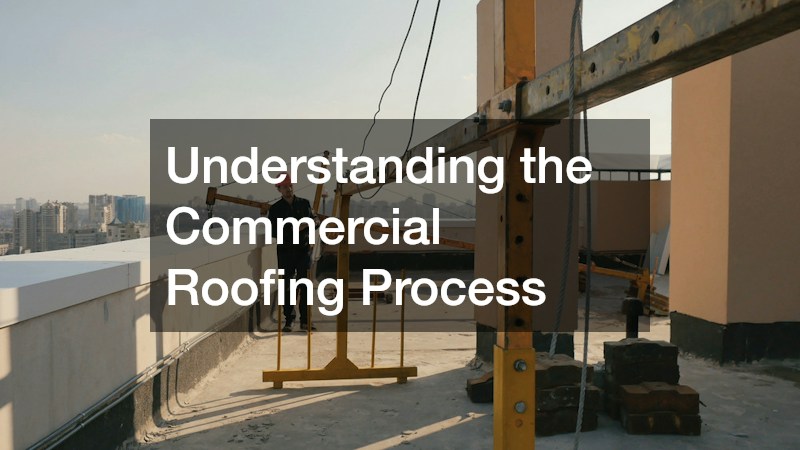

The commercial roofing process typically begins with an initial consultation between the building owner and a commercial roofer. During this stage, the roofer conducts a preliminary assessment of the existing roof structure. This involves checking for visible signs of damage and discussing any concerns the owner may have.
By understanding the specific needs and requirements of the building, the roofer can provide a tailored roofing solution. Clear communication during this phase is essential to set the project’s expectations and goals.
During the consultation, the commercial roofer may suggest various roofing materials, considering factors such as durability, cost, and climate suitability. This knowledge helps the building owner make informed decisions. The roofer may also provide a preliminary timeline and cost estimate, which aids in financial planning and minimizes disruptions to business operations. By engaging with a reputable commercial roofer, owners can ensure they are making educated choices that align with their long-term goals.
Planning and Design
Once the initial assessment is complete, the planning and design phase begins, an integral part of the commercial roofing process. This stage involves detailed planning where the commercial roofer provides detailed blueprints and proposed solutions. Architectural considerations, such as space allocation for HVAC systems or skylights, are factored into the design. This step is pivotal in ensuring that the roofing system will meet the building’s operational requirements. Having a well-conceived plan minimizes the chances of unforeseen hurdles down the line.
The design phase allows for a meticulous examination of different material options, balancing appearance, cost, and longevity. Innovative materials that improve energy efficiency may be considered to further boost the building’s performance. These refined selections must be suitable for the climatic conditions and comply with local regulations and building codes. A commercial roofer might also explore environmental impacts, proposing eco-friendly options whenever viable. Engaging in a collaborative design process ensures alignment with the owner’s vision and sustainable objectives.
Detailed planning instills confidence in both the building owner and the roofing contractor. Realistic scheduling and budgeting projections are established, contributing to efficient resource allocation. By transparently discussing each design element, a professional commercial roofer facilitates trust and collaboration. Reliable communication pathways are established, setting the foundation for a successful project execution. This structured approach eliminates ambiguity, serving as the blueprint for a seamless installation phase.
Execution and Installation
The execution and installation phase is where the commercial roofing plans come to life. This process involves removing the old roof, if necessary, and carefully installing the new roofing system. Coordinated by the commercial roofer, this phase requires precise execution to prevent any structural damage. Rigorous adherence to safety protocols ensures the well-being of workers and minimizes risks. Clear communication and coordination with the building owner help in timely project completion.
During installation, weather conditions are an essential consideration, as precipitation can affect material application. Therefore, a commercial roofer will carefully choose the timing of this phase to avoid unexpected delays. All materials used must meet industry standards, and a roofer conducts frequent inspections to ensure compliance with quality benchmarks. Attention to detail at every step is vital to prevent leaks and future roof repair needs. Effective execution guarantees durability, helping the building owner protect their investment.
The installation phase also entails checking other roofing components, such as insulation or drainage systems, ensuring they align with the new setup. The commercial roofer meticulously examines the flashing, seams, and fasteners to ensure a tight seal. Post-installation checks reinforce the installation’s integrity, with documentation and warranties provided by the roofer. This encapsulates the reliability of the new roofing system and offers peace of mind to business owners. Successful roofing execution marks the culmination of careful planning, expert installation, and quality assurance.
Project Completion and Maintenance
Upon completing the installation, the commercial roofer conducts a final inspection to ensure everything is in perfect order. The contractor provides detailed documentation outlining maintenance requirements to uphold the roof’s longevity. Routine inspections and proactive maintenance are vital for identifying potential issues before they escalate. A thorough maintenance plan can significantly extend the life of the roofing system and protect the client’s investment. An engaged commercial roofer will typically offer ongoing maintenance services as part of their customer care.
Incorporating scheduled maintenance can result in substantial cost savings over time by addressing minor issues before they necessitate major repairs. A commercial roofer’s expertise ensures effective surface cleaning, gutter maintenance, and structural inspections. Regular upkeep not only maintains the roof’s functionality but also improves its aesthetic appeal, contributing to the building’s overall image. Preventive care measures keep the roofing system in optimal condition, ensuring sustained protection from environmental elements. Comprehensive maintenance schedules form the backbone of a durable commercial roof.
Customer satisfaction is paramount, and a reliable commercial roofer goes beyond installation to support building owners throughout the roof’s lifetime. Educating the client on potential red flags allows for prompt interventions should issues arise. With an established trust, the building owner can rely on their advisor for future roofing needs. By fostering such relationships, a commercial roofer becomes an essential partner in preserving the building’s structural integrity.