
Expanding, upgrading, or maintaining a commercial footprint requires managing a massive ecosystem of moving parts. For property owners and real estate investors looking to scale, the immediate instinct is often to look toward massive, national service aggregators. The promise of a single corporate entity handling everything from coast to coast sounds efficient on paper. However, experienced operators know that the true secret weapon of successful commercial scaling is a deeply rooted, highly reliable network of neighborhood business-to-business contractors.
Building a localized network creates rapid response times, predictable budgeting, and a level of mutual accountability that a distant corporate office simply cannot replicate. When your vendors live and work in the same community as your properties, their reputation is tied directly to your satisfaction. Moreover, keeping your operational dollars within the local economy fosters a healthy business ecosystem that ultimately drives up the value of your own commercial assets. Scaling your property portfolio isn’t just about structural growth; it’s about investing in nearby specialized expertise to protect, optimize, and market your spaces.
By shifting from a transactional mindset to a collaborative relationship model with local professionals, property owners can streamline their project timelines, minimize costly operational downtime, and ensure every square foot of their property performs at its absolute highest potential. The following strategy breaks down exactly how to leverage this regional expertise across every phase of your commercial scaling journey.
1. Balancing Spatial Design with Operational Logistics

When scaling a commercial asset, the initial phase almost always involves altering physical layouts to accommodate new tenants or changing business needs. Structural modification requires a partner who understands regional building codes, localized zoning laws, and the specific historical or architectural quirks of the area’s building stock. Entrusting this to an experienced commercial remodeling company ensures that your structural overhauls proceed without costly municipal delays. Local firms have pre-existing relationships with city inspectors and planning boards, allowing them to navigate the permitting process far faster than out-of-town corporate crews.
Simultaneously, a massive physical overhaul introduces a major logistical headache: what do you do with existing inventory, sensitive equipment, or temperature-dependent goods while construction is underway? Shutting down operations entirely is a massive revenue drain that can cripple a scaling business. Savvy property managers solve this by coordinating temporary storage solutions right on-site. Utilizing a local refrigerated trailer rental service allows businesses like restaurants, pharmaceutical suppliers, or grocery tenants to maintain full climate-controlled inventory integrity parked securely outside while interior structural walls are being reconfigured inside.
2. Maximizing Floor Utility: Resilient Surfaces and Heavy-Duty Storage
Once the structural footprint is established, the focus must shift to the long-term durability and organization of the interior spaces. Commercial floors endure an incredible amount of punishment, from heavy foot traffic and dropped tools to chemical spills and rolling machinery. Investing in cheap, residential-grade flooring is a mistake that leads to peeling, cracking, and frequent closures for repairs. Partnering with professional epoxy flooring companies is the industry standard for creating seamless, non-porous, and chemical-resistant surfaces that last for decades. Epoxy flooring companies protect the underlying concrete substrate while providing a bright, clean, anti-slip surface that improves overall workplace safety.
However, a beautiful floor is only half the battle; maximize vertical and horizontal utility through optimized spatial organization. Back-of-house areas, maintenance bays, and supply rooms frequently become chaotic magnets for clutter, reducing worker efficiency and increasing safety hazards. Working alongside a custom garage cabinet company allows property owners to install heavy-duty, industrial-grade storage units tailored specifically to the dimensions of the space. These systems keep expensive tools, hazardous materials, and operational supplies secure, organized, and off the floor, instantly transforming chaotic utility spaces into highly efficient work environments.
3. Precision Engineering for High-Durability Industrial Environments
In deeper industrial applications or multi-tenant fulfillment spaces, the demands on flooring substrates intensify dramatically. The traffic from forklifts, heavy pallet jacks, and constant loading dock activity requires specialized surface prep and compound matching that national chains often cut corners on. Sourcing regional epoxy flooring companies ensures you get a crew that evaluates the specific humidity levels, concrete moisture vapor emission rates, and temperature fluctuations native to your area. They can formulate the precise polyaspartic or urethane topcoats needed to prevent delamination under extreme thermal shock or heavy vehicular weight loads.
Properly executed flooring and storage upgrades drastically elevate the baseline valuation of the real estate. Prospective triple-net tenants are actively searching for turn-key spaces where they do not have to immediately invest capital into surface remediation or shelving infrastructure. By proactively installing these premium industrial finishes, property owners position their assets at the top of the local market, commanding higher rental rates per square foot and attracting more stable, long-term corporate tenants who value a premium workspace.
4. Facility Risk Management: Proactive Plumbing Systems
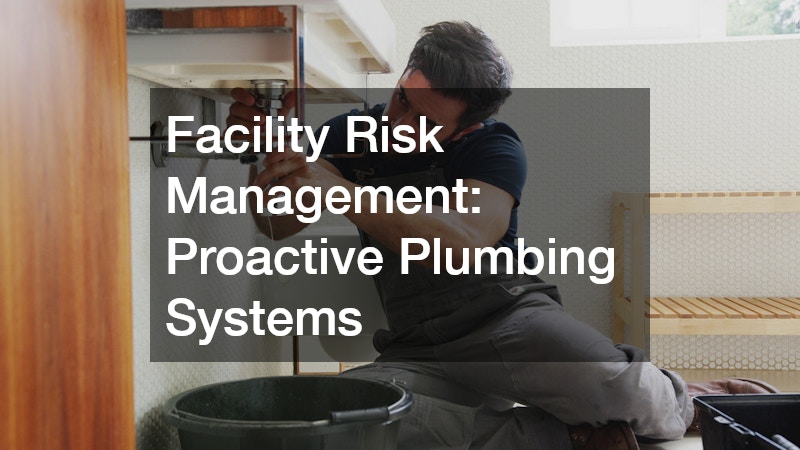
The hidden infrastructure of a commercial property is its most vulnerable point during rapid scaling. As occupancy increases or tenants switch from low-use retail to high-use hospitality, the demands on the building’s water supply and waste lines scale exponentially. Minor residential leaks become catastrophic structural failures when magnified across a multi-story commercial environment. Establishing an ongoing preventative partnership with a reputable local plumbing company allows property owners to intercept utility failures before they disrupt tenant operations or cause massive structural damage behind the drywall.
Routine inspections should include checking backflow preventers, testing commercial water heaters, and monitoring pressure balancing valves. When a scaling property undergoes an expansion, these professionals can accurately calculate whether the existing main water lines can handle the increased fixtures or if a booster pump system is required. Proactive management ensures consistent water pressure and temperature across the entire facility, keeping tenants satisfied and protecting the longevity of your mechanical assets.
5. Emergency Mitigation and Rapid Disaster Recovery Strategies
Even with the best preventative maintenance, environmental emergencies can strike at any moment. Burst pipes, sudden flash floods, or severe regional storms can flood a commercial property in minutes, threatening expensive electronics, inventory, and building integrity. In these high-stakes moments, every minute of standing water increases the risk of mold growth and structural weakening. This is where proximity becomes your greatest asset; having a priority service agreement with a nearby local water damage company means a mitigation crew can arrive on-site with industrial dehumidifiers and water extraction equipment within an hour of your call.
Rapid extraction and professional structural drying prevent secondary damage and drastically reduce total insurance claim payouts. Local restoration teams are intimately familiar with regional building construction styles, allowing them to precisely target hidden moisture pockets in crawlspaces, firewall assemblies, and elevator shafts that generic out-of-state crews might completely overlook. Getting your tenants dried out and back to work quickly preserves your rental income and protects your professional reputation as a premier landlord.
6. Ensuring Seamless Subsurface Waste Flow
Beyond the clean water entering your facility, the waste management infrastructure requires equal attention, especially in properties housing food service, medical facilities, or manufacturing tenants. Grease, chemical residues, and high volumes of solid waste can rapidly compromise main lateral sewer lines, leading to foul odors and raw sewage backups that force immediate health department closures. Incorporating specialized local drain cleaning companies into your quarterly or bi-annual maintenance schedule keeps main lines flowing completely clear.
These specialists utilize advanced diagnostic tools such as high-resolution sewer camera inspections to look deep inside the pipes, identifying root intrusions, pipe belly sags, or structural cracks before a total blockage occurs. By clearing out scale buildup using hydro-jetting technology, they restore pipes to their original internal diameter, ensuring the subterranean infrastructure can effortlessly handle the heightened demands of a fully leased, scaling commercial property.
7. Exterior Visual Architecture and Wayfinding Strategy

As internal systems are secured, property owners must look outward to optimize the property’s curb appeal and navigability. A beautifully renovated building is useless if target customers cannot find it or if the exterior presentation feels dated and unprofessional. Developing a cohesive exterior visual strategy is critical for driving foot traffic and elevating the perceived value of the real estate asset. Partnering with a creative local sign company ensures your property features high-visibility pylon signs, dimensional monument signs, and clear, ADA-compliant wayfinding graphics that guide visitors effortlessly from the parking lot to specific tenant suites.
A regional sign provider understands local municipal sign codes, wind load requirements, and setback regulations, meaning your custom fabrications will pass inspection without frustrating design modifications. They can also provide rapid maintenance for burnt-out LED modules or storm-damaged panels, keeping your property’s exterior looking pristine, safe, and professional through every season of the year.
8. Structural Asset Protection Against Environmental Wear
The exterior envelope of your building acts as the first line of defense against weather-related degradation. As a property scales, updating building facades, roofing membranes, and parking surfaces becomes non-negotiable for preserving equity. Working with local structural specialists ensures that the materials applied to your building envelope are rated for your specific climate zone, whether that means managing intense UV exposure, heavy snow loads, or high coastal humidity.
Regular exterior updates prevent moisture intrusion from slowly rotting structural steel or timber framing. Furthermore, a modern, clean, and well-lit exterior significantly reduces the risk of premises liability lawsuits, creating a safe environment for your tenants’ employees and customers alike while reinforcing the premium nature of your brand in the local real estate marketplace.
9. Leveraging Specialized Logistics for Flexible Operational Footprints
True operational agility during a scaling phase requires creative solutions to physical limitations. Sometimes, a commercial property experiences seasonal spikes in utility needs, or a new tenant requires specialized equipment that won’t fit within the permanent building footprint. For example, during a major HVAC overhaul or during an unseasonal inventory surge, having a backup logistics plan is vital to maintaining operational continuity.
Utilizing specialized services like a local refrigerated trailer rental provider gives property managers the flexibility to offer temporary, scalable cold storage solutions to grocery, floral, or catering tenants during peak holidays without committing to permanent, expensive brick-and-mortar expansions. This adaptability allows you to maximize the revenue potential of your existing square footage while keeping capital expenditure fluid and responsive to immediate market demands.
10. Maximizing Local Financial Incentives and Tax Credits
The physical aspects of scaling a property must always be balanced by a highly sophisticated backend financial strategy. Every dollar spent on remodeling, flooring, or emergency plumbing must be meticulously tracked, categorized, and leveraged to minimize tax liabilities and maximize cash flow. Navigating the complexities of commercial real estate depreciation schedules, cost segregation studies, and capital expenditure write-offs requires specialized regional financial insight. Contracting the services of a certified local tax company ensures that your real estate portfolio takes full advantage of state-specific tax credits, local energy efficiency grants, and regional municipal small-business incentives.
These specialized financial professionals can structure your contractor payments and improvement timelines to perfectly align with current tax laws, turning necessary maintenance expenses into powerful strategic deductions. By keeping your financial management local, you work with advisors who understand the specific economic drivers, property assessment rhythms, and county tax nuances of your exact market, ensuring your scaling efforts are backed by a rock-solid, highly profitable financial foundation.
Every phase of commercial property expansion involves unique challenges that require rapid, specialized interventions. Rather than relying on generic national service providers who lack regional accountability, successful property owners build a tight-knit ecosystem of nearby B2B specialists. From structural overhauls and heavy-duty interior updates to infrastructure protection and localized tax optimization, your local business network provides the speed, quality, and mutual investment necessary to scale safely and profitably. By committing to local contractors, you aren’t just improving your own brick-and-mortar assets; you are actively strengthening the very economic community that fuels your long-term commercial success.
Building this network ensures you are never just a number in a corporate database. Instead, you create a responsive, mutually beneficial ecosystem where local businesses actively protect and elevate one another. Ultimately, investing in nearby expertise transforms your scaling property from a mere physical asset into a thriving cornerstone of community commerce. This collaborative approach guarantees that your commercial growth directly fuels regional prosperity, securing your place as a leader in a resilient, interconnected local economy.