
Introduction
Maintaining a property requires a thoughtful balance of routine care, preventive maintenance, and strategic upgrades. Whether you are a homeowner or property manager, staying ahead of potential issues is essential to preserving both the functionality and value of your investment. From structural elements like roofing and siding to critical systems such as water management and outdoor features, every component plays a role in overall performance.
A proactive approach allows you to identify small concerns before they escalate into costly repairs. It also ensures that your property remains safe, efficient, and visually appealing throughout the year. By understanding how different systems interact and by working with qualified professionals when necessary, you can reduce stress, manage costs more effectively, and extend the lifespan of key features.
In addition to preventing unexpected breakdowns, consistent maintenance helps create a more predictable budget for repairs and upgrades. Property owners who plan ahead can prioritize improvements, schedule work during optimal seasons, and avoid emergency service costs. Regular evaluations also provide valuable insight into how well systems are performing, allowing for timely adjustments that improve efficiency and comfort.
This comprehensive guide provides actionable insights into maintaining water systems, protecting structural components, improving outdoor areas, and coordinating maintenance efforts. With the right strategies in place, property owners can confidently manage upkeep while enhancing comfort, safety, and long-term value.
Protecting Your Home from Water System Failures
Water systems are among the most critical components of any property, and even minor issues can quickly escalate into significant damage if left unaddressed. A reliable water supply and efficient wastewater management system are essential for daily living, sanitation, and structural protection.
One of the most common issues homeowners face is declining water pressure or inconsistent flow. These problems may indicate the need for water pump replacement, particularly in properties that rely on wells or pressurized systems. Warning signs include unusual noises from the pump, fluctuating water pressure, or frequent cycling. Addressing these issues early can prevent system failure and avoid costly emergency repairs.
Regular inspection and maintenance of water systems can significantly extend their lifespan. Homeowners should consider:
-
Monitoring water pressure and flow consistency
-
Checking for leaks or corrosion in visible pipes
-
Inspecting pump performance and electrical connections
-
Scheduling periodic professional inspections
Equally important is proper wastewater management. Partnering with a septic company ensures that waste is handled safely and efficiently. Neglecting septic maintenance can lead to backups, unpleasant odors, and environmental contamination.
To maintain a healthy septic system:
-
Schedule regular pumping and inspections
-
Avoid flushing non-biodegradable materials
-
Limit the use of harsh chemicals that can disrupt bacterial balance
-
Monitor drainage fields for signs of saturation or failure
Taking a proactive approach to water systems helps prevent disruptions, protects your property, and ensures a safe and reliable supply for everyday use.
Maintaining a Strong and Leak-Free Roof
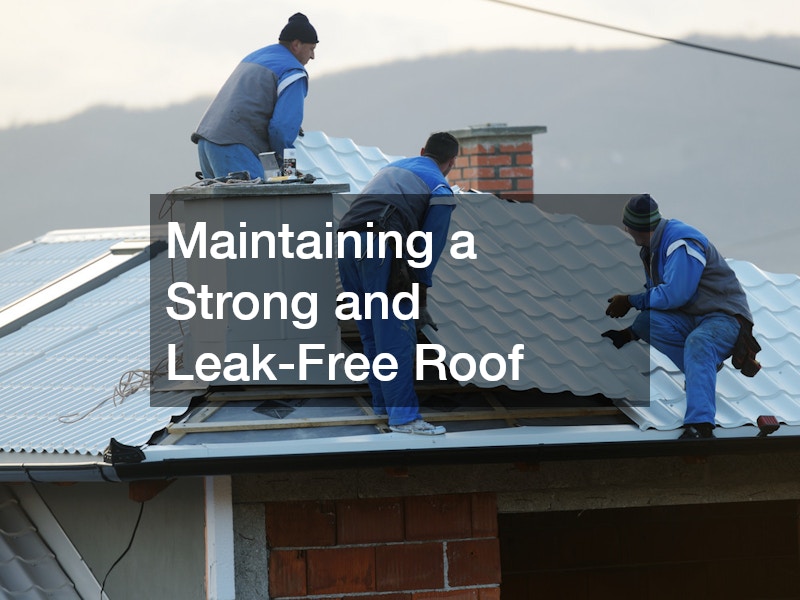
The roof is your property’s first line of defense against the elements. It protects against rain, wind, snow, and extreme temperatures, making regular maintenance essential for long-term durability.
Many homeowners overlook early warning signs of roof damage. Missing shingles, water stains on ceilings, and granule buildup in gutters are indicators that roof repair services may be necessary. Addressing these issues promptly prevents water intrusion, mold growth, and structural deterioration.
Routine roof inspections should be conducted at least twice a year and after major storms. During inspections, look for:
-
Cracked, curled, or missing shingles
-
Damaged flashing around vents and chimneys
-
Sagging or uneven rooflines
-
Signs of water infiltration in the attic
Understanding when to opt for minor fixes versus full roof repair is key. Small leaks or isolated damage can often be repaired quickly, but widespread wear or aging materials may require more extensive work.
Additional maintenance tips include:
-
Keeping gutters clean to prevent water backup
-
Trimming nearby tree branches to reduce debris and impact damage
-
Ensuring proper attic ventilation to regulate temperature and moisture
By staying vigilant and addressing issues early, homeowners can extend the lifespan of their roof and avoid costly structural repairs.
Repairing and Preserving Exterior Surfaces
Exterior surfaces not only define the appearance of your property but also provide essential protection against environmental elements. Over time, exposure to weather, temperature fluctuations, and moisture can lead to deterioration.
Stucco is a popular exterior finish, but it requires regular inspection to maintain its integrity. Cracks, discoloration, or bulging areas may indicate the need for stucco repair. Prompt attention prevents moisture from penetrating the surface and causing deeper structural issues.
Similarly, siding plays a crucial role in insulation and protection. Working with a siding company ensures proper installation, repair, and maintenance. Damaged siding can lead to increased energy costs, water intrusion, and reduced curb appeal.
To maintain exterior surfaces effectively:
-
Inspect walls for cracks, gaps, or signs of moisture damage
-
Clean surfaces regularly to prevent mold and mildew buildup
-
Repaint or reseal materials as needed to maintain protection
-
Address minor damage before it spreads
It is also important to pay attention to joints, seams, and areas around windows and doors, where moisture is most likely to penetrate. Sealing these vulnerable points with appropriate materials can significantly reduce the risk of water damage. Additionally, scheduling periodic professional inspections can uncover hidden issues that may not be visible during routine checks, allowing for early intervention and more cost-effective repairs.
Investing in proper maintenance not only preserves the structural integrity of your home but also enhances its overall aesthetic appeal.
Enhancing Driveways, Walkways, and Outdoor Surfaces
Outdoor surfaces such as driveways, walkways, and patios are essential for both functionality and safety. Over time, these surfaces can develop cracks, become uneven, or deteriorate due to weather exposure and heavy use.
Regular maintenance and timely paving services help restore these surfaces and prevent further damage. Cracks and potholes should be addressed promptly to avoid safety hazards and costly repairs.
When maintaining outdoor surfaces, consider the following:
-
Inspect for cracks, erosion, or uneven areas
-
Seal surfaces to protect against water and UV damage
-
Ensure proper drainage to prevent pooling and erosion
-
Clean surfaces to maintain appearance and longevity
Choosing the right materials for your climate and usage needs is also important. Asphalt, concrete, and pavers each offer unique benefits, and selecting the appropriate option can improve durability and reduce maintenance requirements.
Well-maintained outdoor surfaces enhance accessibility, improve curb appeal, and contribute to the overall value of your property.
Creating Healthy and Attractive Lawns

A well-maintained lawn enhances the beauty of your property and provides a welcoming outdoor environment. However, achieving and maintaining a healthy lawn requires consistent care and attention to soil health.
One of the most effective ways to improve lawn health is through an aeration service. Aeration reduces soil compaction, allowing air, water, and nutrients to reach the roots more effectively. This process promotes stronger, healthier grass growth.
Key lawn care practices include:
-
Watering deeply and consistently, especially during dry periods
-
Applying fertilizers to support nutrient levels
-
Mowing at the correct height to prevent stress on the grass
-
Controlling weeds and pests to protect plant health
Seasonal adjustments are also important. Spring and fall are ideal times for aeration and fertilization, while summer maintenance focuses on watering and stress management.
By prioritizing soil health and consistent care, homeowners can maintain vibrant, resilient lawns that enhance the overall appeal of their property.
Managing Trees and Outdoor Safety
Trees add beauty, shade, and value to a property, but they also require proper maintenance to ensure safety. Overgrown or damaged trees can pose significant risks, especially during storms or high winds.
Regular inspections help identify potential hazards such as dead branches, leaning trunks, or signs of disease. In some cases, tree removal may be necessary to eliminate risks and protect nearby structures.
Best practices for tree care include:
-
Pruning branches to maintain structure and health
-
Removing dead or diseased limbs promptly
-
Monitoring tree stability and root systems
-
Consulting professionals for large or hazardous trees
Professional services ensure that tree work is performed safely and efficiently. Removing a tree requires specialized equipment and expertise to prevent damage to surrounding areas.
Maintaining healthy trees not only enhances safety but also contributes to the overall aesthetics and value of your landscape.
Maintaining and Upgrading Your Pool Area
Pools provide relaxation, recreation, and increased property value, but they require consistent maintenance to remain safe and functional. Neglecting pool care can lead to water quality issues, equipment failure, and costly repairs.
Routine maintenance includes:
-
Skimming debris and cleaning pool surfaces
-
Monitoring and balancing chemical levels
-
Inspecting pumps, filters, and circulation systems
-
Checking for leaks or structural damage
Working with a swimming pool contractor can help ensure that your pool remains in optimal condition. Professionals can perform inspections, recommend upgrades, and address issues before they escalate.
Seasonal care is also essential. Proper winterization protects the pool during colder months, while thorough reopening procedures prepare it for use in warmer seasons. In addition, adjusting maintenance routines based on usage levels during peak seasons can help prevent overworked systems and maintain water clarity.
Upgrading pool features, such as energy-efficient pumps or modern filtration systems, can improve performance and reduce maintenance costs. Safety features like covers, fencing, and alarms further enhance usability and compliance. Incorporating automation systems for temperature control, cleaning cycles, and chemical balancing can also simplify maintenance and improve overall efficiency.
With consistent care and professional support, pools can remain a valuable and enjoyable part of your property.
Coordinating Septic and Drainage Systems
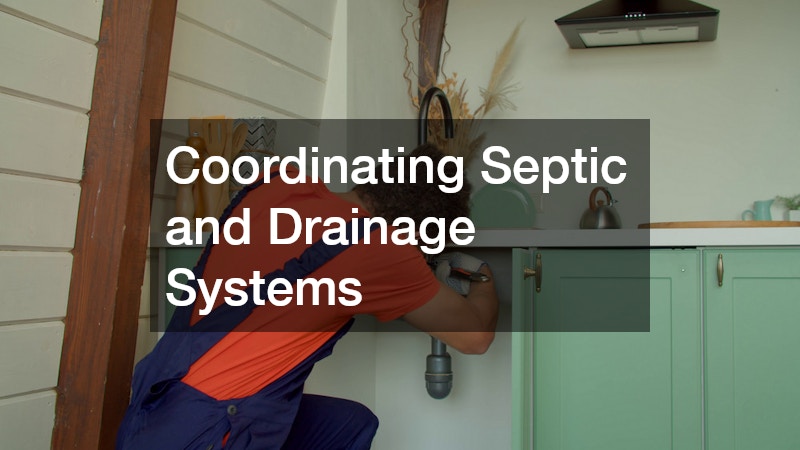
Effective wastewater and drainage management are critical for maintaining a safe and functional property. Poor drainage can lead to flooding, soil erosion, and structural damage, while neglected septic systems can cause health hazards and environmental concerns.
Regular maintenance with a septic company ensures that systems operate efficiently and comply with regulations. Inspections can identify issues such as blockages, leaks, or system overload before they become serious problems.
To maintain proper drainage:
-
Ensure gutters and downspouts direct water away from the foundation
-
Grade landscaping to prevent water pooling
-
Install drainage solutions such as French drains if needed
-
Monitor areas prone to erosion or saturation
Proper waste management practices are equally important. Avoid overloading the system with excessive water use or inappropriate materials, and follow recommended maintenance schedules. It is also beneficial to keep detailed records of septic servicing and inspections, which can help identify recurring issues and improve long-term system management.
Integrating drainage and septic care helps protect your property, maintain environmental safety, and prevent costly repairs.
Integrating Exterior Maintenance for Long-Term Results
Coordinating maintenance activities across all aspects of your property ensures efficiency and long-term success. Rather than addressing issues individually, a comprehensive approach allows homeowners to manage resources effectively and prevent overlapping problems.
Creating a maintenance schedule is a key step. This schedule should include regular inspections, seasonal tasks, and long-term planning for major repairs or upgrades.
Effective strategies include:
-
Developing an annual maintenance calendar
-
Prioritizing tasks based on urgency and impact
-
Budgeting for both routine care and unexpected repairs
-
Keeping detailed records of maintenance and improvements
Working with multiple specialized professionals ensures that each aspect of your property receives expert attention. Coordinating these efforts helps avoid delays, reduce costs, and improve overall outcomes. Additionally, grouping similar projects together—such as exterior repairs or landscaping updates—can reduce labor costs and minimize disruption to daily routines.
A well-organized approach to maintenance not only protects your property but also enhances its functionality and visual appeal over time.
Conclusion
Maintaining a property requires ongoing effort, careful planning, and a commitment to proactive care. By addressing water systems, roofing, exterior surfaces, outdoor areas, and structural components, homeowners can prevent costly issues and extend the life of their investment.
Consistent maintenance, combined with strategic upgrades and professional support, ensures that your property remains safe, efficient, and visually appealing. From managing water systems and maintaining roofs to enhancing landscaping and outdoor features, each element plays a role in overall performance.
Taking a long-term view of property care also allows homeowners to better anticipate future needs, allocate resources effectively, and avoid reactive decision-making. By implementing the strategies outlined in this guide, property owners can confidently manage their responsibilities, reduce stress, and create a comfortable, functional environment for years to come.